
Postcard from Spain. Sent by Eva.

For many centuries, he was wrongly confused with Judas Iscariot, the disciple who betrayed Jesus. However, the Gospel of John refers to a disciple called “Judas,” but “Not Iscariot.”
Very little is known about Jude’s life after Jesus’ death and resurrection, but tradition holds that he preached the Gospel widely across the Middle East, including Judea, Samaria, Idumaea, Syria, Mesopotamia, Libya, Beirut, and Edessa.
After spreading the message of God’s love, he was martyred for his faith, reportedly around 65 AD in Beirut, together with the apostle Simon the Zealot.
In AD 700, his relics, together with those of Saint Simon, were conveyed to Rome and installed in the old Vatican Basilica. When Saint Peter’s Basilica was rebuilt, the relics were re-established under a single altar in the north transept on 27 December 1665. This altar is positioned directly over the area where modern archaeology suggests Saint Peter was crucified.
Saint Jude is the patron saint of various groups and places, and is best known as the patron of “desperate” or “difficult” cases. Saint Jude is therefore the Patron Saint and Apostle of HOPE.
The Roman Catholic Church commemorates both saints, Jude and Simon, on 28 October.
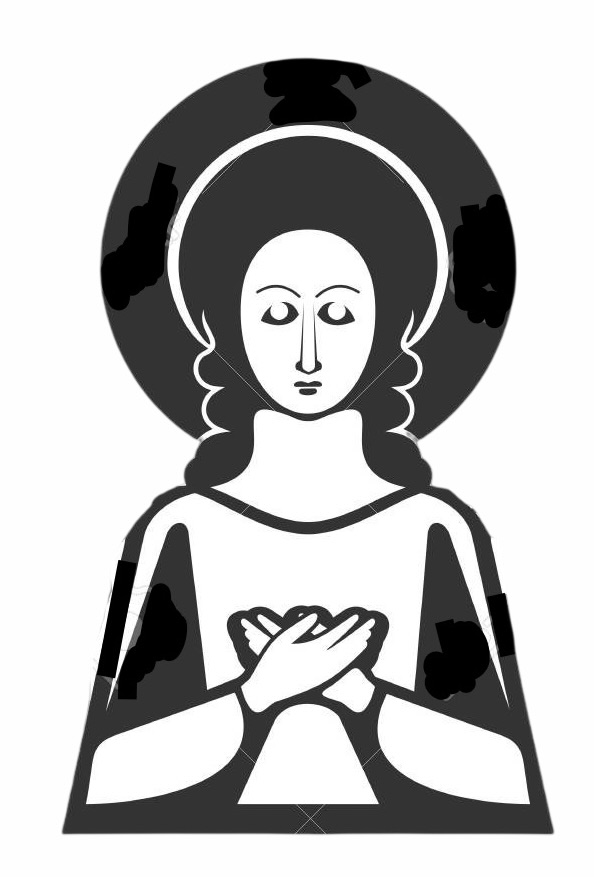


I though it might be too thin, so I’m happy it reached you! 🙂
LikeLike
Thank you so much, Eva! (My collection is growing very slowly 😁)
>
LikeLike