Thursday Postcard Hunt: Castles and Palaces in Europe
Thursday Postcard Hunt‘s theme this week is Castles and Palaces. Join the fun and share your postcards.
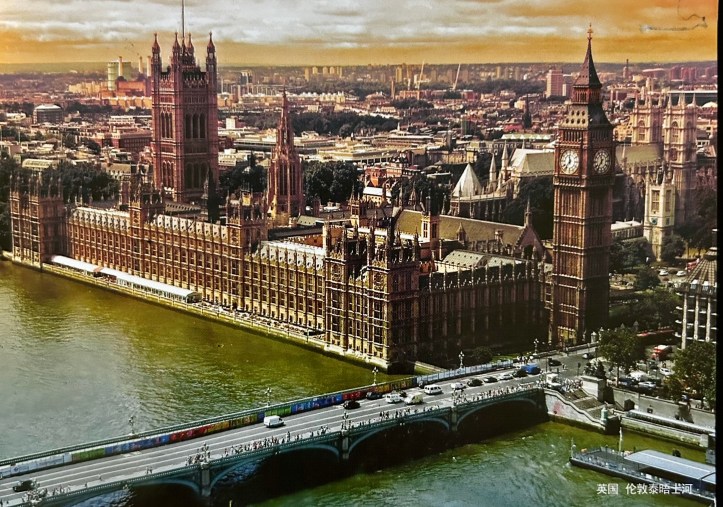
Westminster Palace, London, England
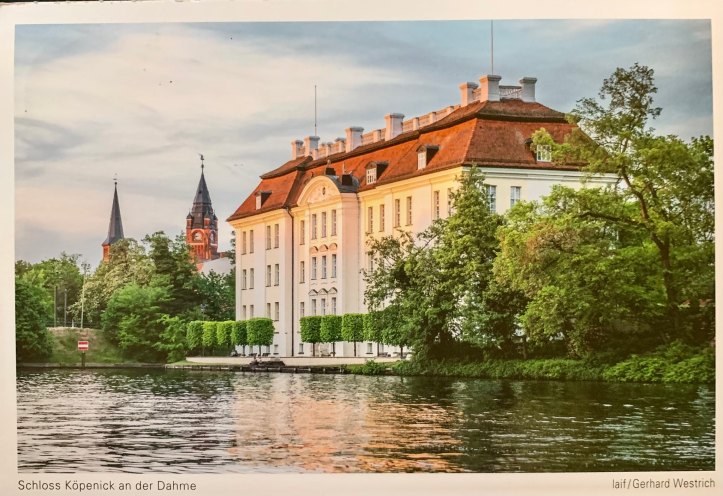
Schloss Köpenick is a Baroque water palace of the Hohenzollern electors of Brandenburg which stands on an island in the Dahme River surrounded by an English-style park and gives its name to Köpenick, a district of Berlin.
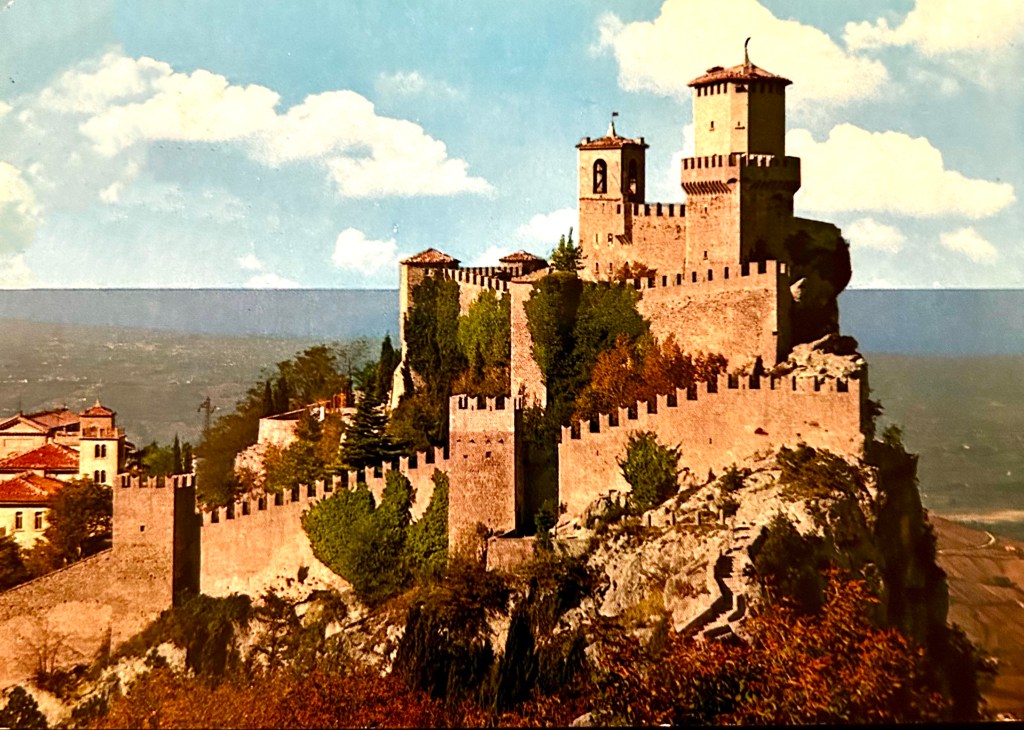
The San Marino castle, or Guaita fortress, sits atop Monte Titano in the capital city. Built directly on the stone of the mountain without any foundations, the First Tower, with a pentagonal base, dates back to the XI century and is among the oldest fortresses in Italy. Republic of San Marino is the oldest Republic in the world.
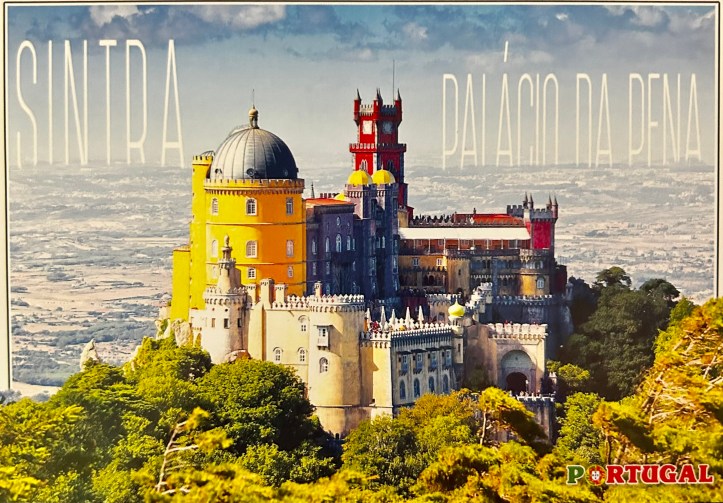
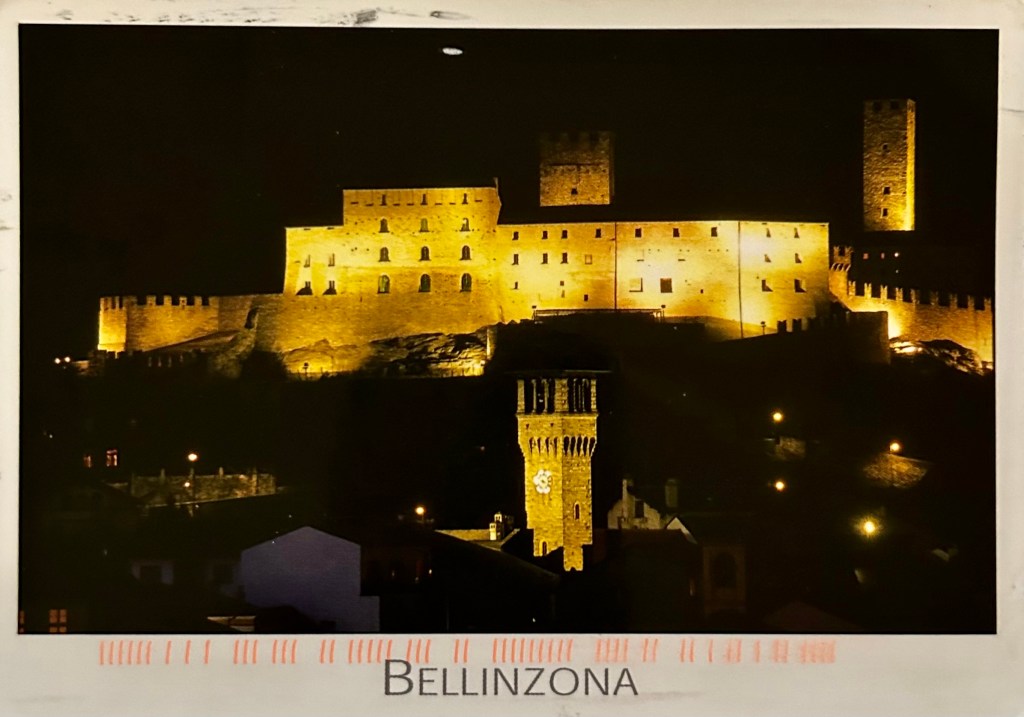
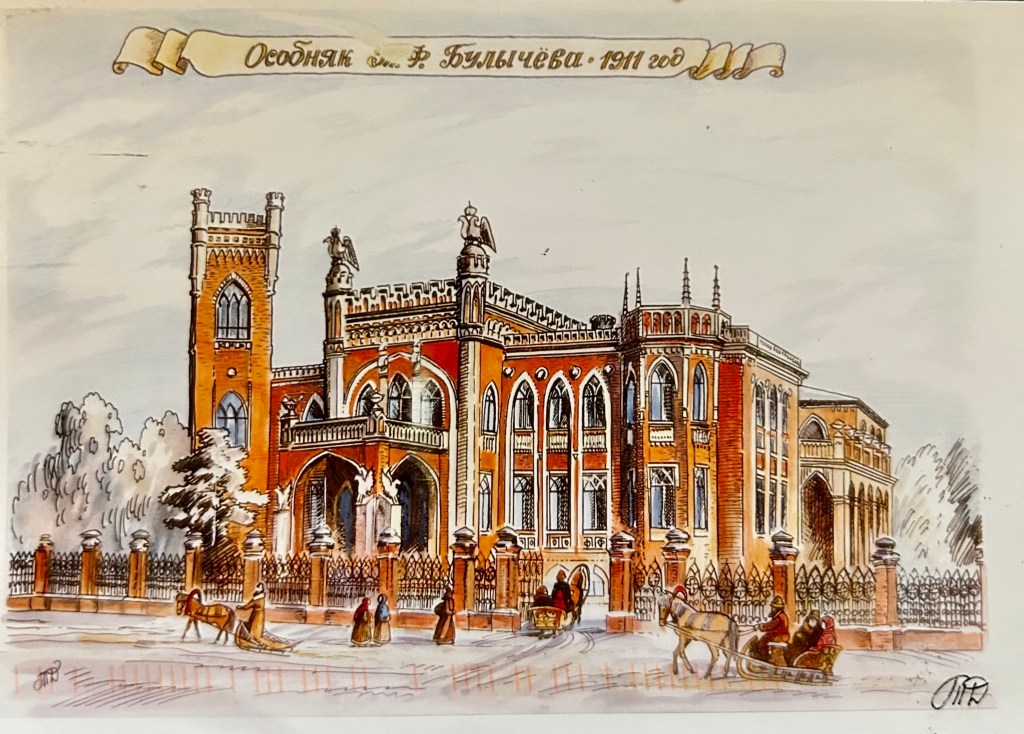
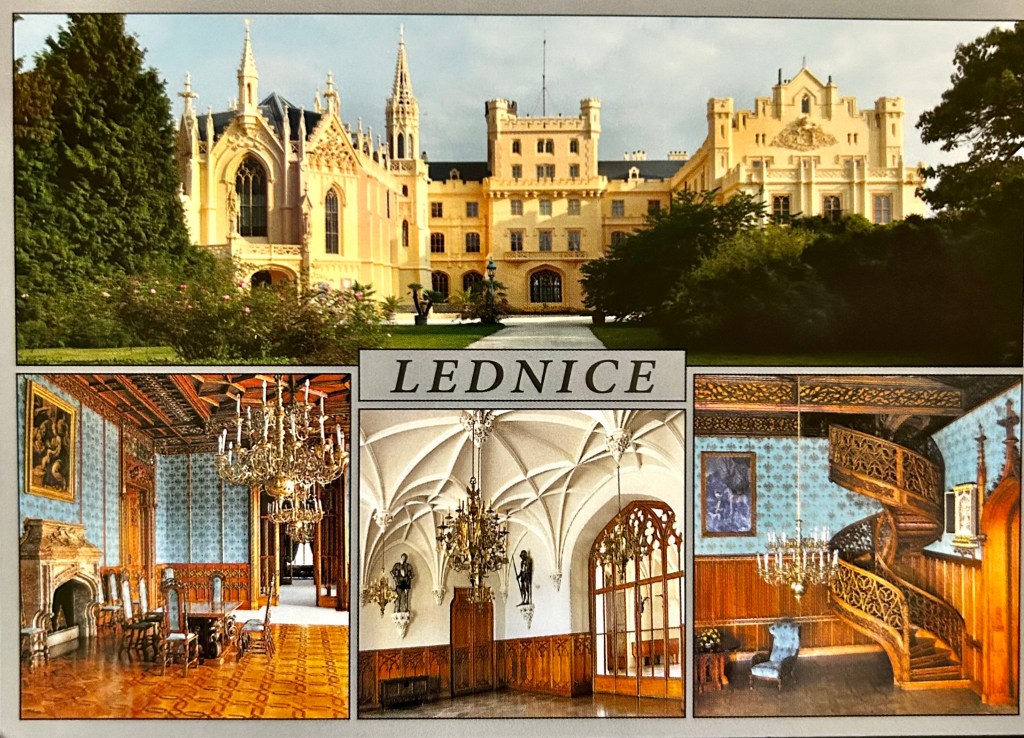
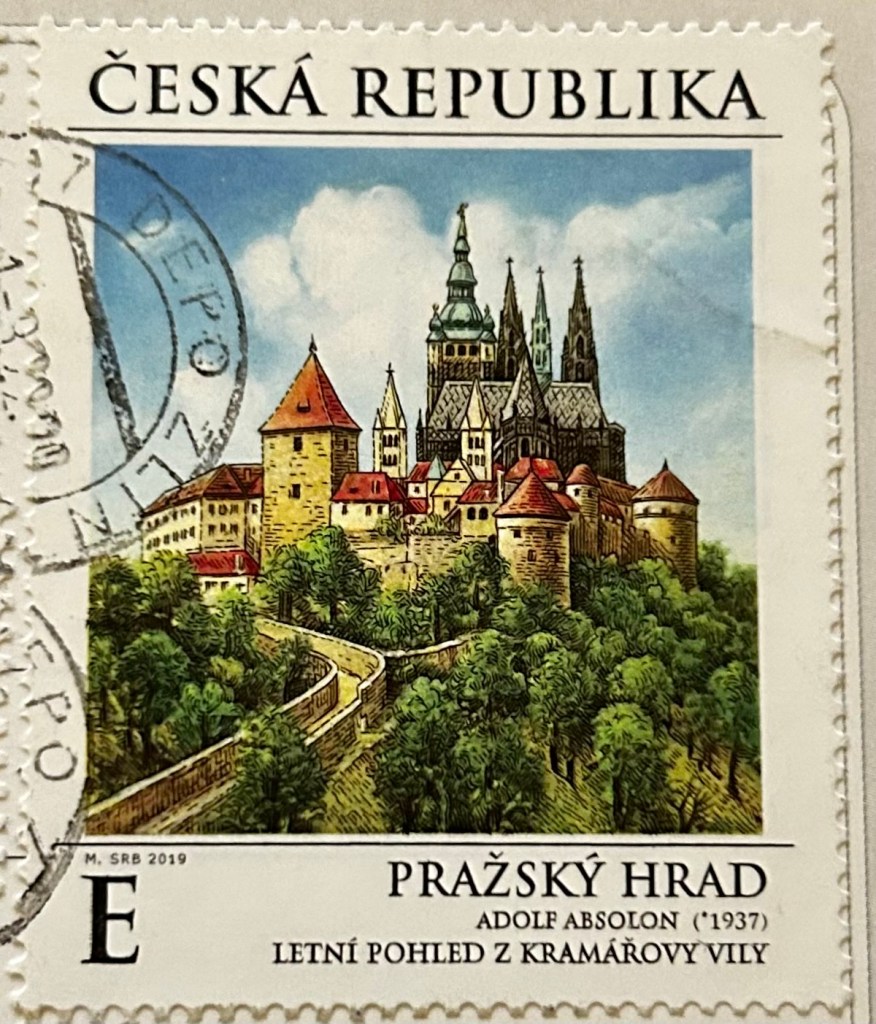
Due to its location (on a hill that is 480 m high), the Pena Palace towers over Sintra, is the embodiment of eclecticism and an example of Portuguese Romantic architecture. It combines elements of the Mudejar style, Gothic towers and Manueline motifs. In 1995, Sintra gained the UNESCO Cultural Landscape classification.The Castle of the Princess of Acaja is a historic building in Fossano, in the Piedmont region of Italy. It stands out majestically in the homonymous square of the town, characterizing the skyline. Its construction began in 1314 and already eight years later, in 1332, the fundamental structures were completed. Hundreds of workers worked on its construction; 3,355,000 bricks, 26,000 tiles, 19,861 stone carts were needed.Castelgrande is the largest and most impressive of the three Bellinzona Castles, with its spectacularly stylish towers and ancient ramparts. Castlegrande sits on basalt rock, with walls that reach into the city. The district of Bellinzona is a district of Canton Ticino, Switzerland.Kirov, Russia. A wonderful castle (the “Red Castle”) with iron fence is a house built for the merchant Tikhon Bulychev by an architect Ivan Apollonovich Charushin in 1911. Lednice Castle is one of the most beautiful buildings in Czech Republic, famous for its history and gorgeous interior. Lednice Chateau dates back to year 1222, when it was a Gothic water stronghold with a farmyard.Between 1846-1858, the castle was rebuilt in English Neogothic style by George Wingelmüller, the architect. In 1945 the Czechoslovak State took over the castle and opened it to the public. Since 1996, the Lednice castle has been on the UNESCO World Heritage List.The stamp of the last postcard features a painting by Adolf Absolon of the gorgeous Prague castle.


 Postcards Etc
Castles with a view!!
But then, we get to that luscious, sensuous staircase of the Lednice Castle!!
LikeLike
Such beautiful buildings!
I visited one of them (Sintra) some years ago, so your post brought nice memories 🙂
LikeLike