
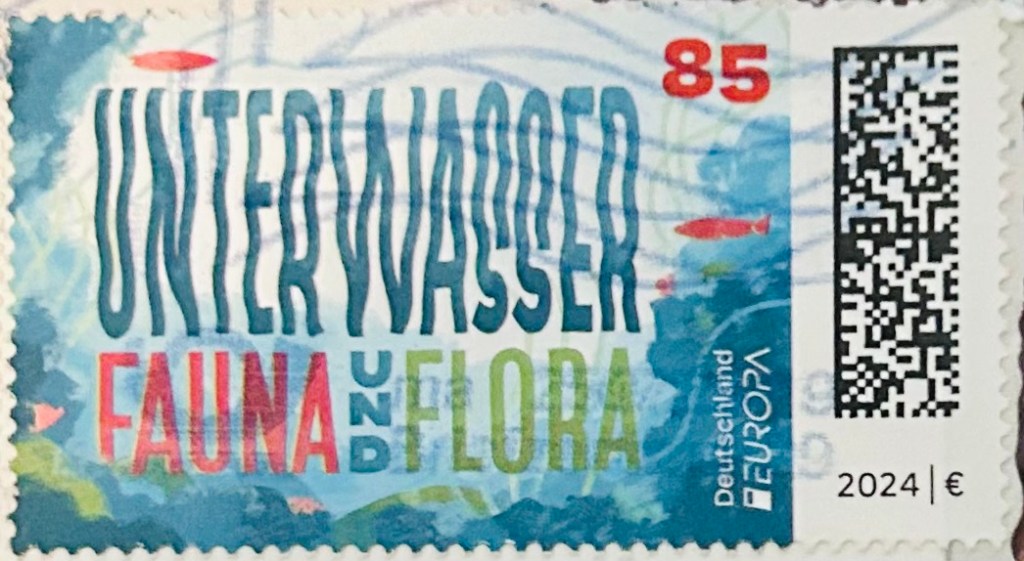
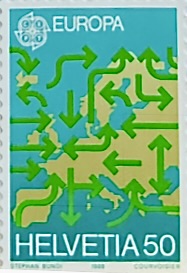
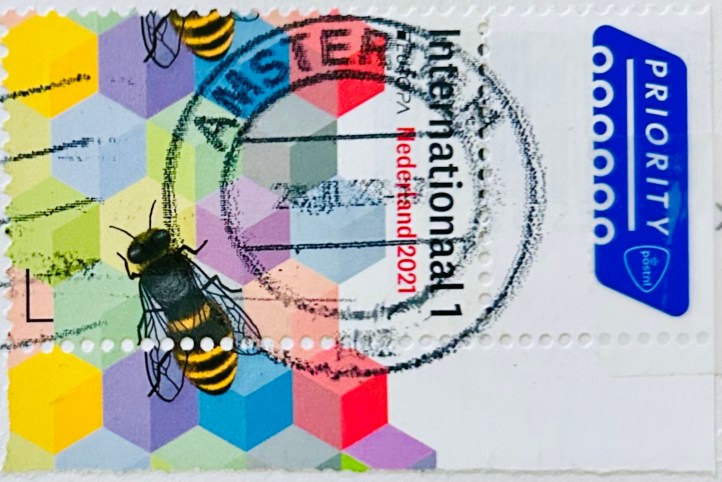
The Europa postage stamp (also known as Europa – CEPT until 1992) is an annual joint issue of stamps with a common design or theme by postal administrations of member countries of the European Communities, the European Conference of Postal and Telecommunications Administrations from 1960 to 1992, and the PostEurop Association since 1993. Europe is the central theme.

Grüner See is a lake in Styria, Austria in a village named Tragöß, which is part of the municipality Tragöß-Sankt Katharein. The lake is surrounded by forests and three mountains: Pribitz, Meßnerin, and Trenchtling, all part of the Hochschwab Mountains.

As the story goes, the people of Eisenerz often spotted the Wasserman around the grotto, and believing that he owned great treasure, one day decided to catch him. Baiting him into a nap with food and drink, they succeeded, nabbing him as he lay sleeping along the shore of a pond.
But the Wasserman did not go quietly, fighting and thrashing as the townspeople took him away. Eventually, the Wasserman relented, and in exchange for his release, offered the townspeople their choice of gold for 10 years, silver for 100 years, or iron forever.
The locals chose iron.
And with a point of a finger, the Wasserman declared that the iron could be found in a nearby mountain, a mountain that would become the largest open-pit mining operation in Central Europe. Today, the Erzberg (literally “ore mountain”) is a landmark facility producing more than 3 million metric tons of iron ore for Voestalpine’s Linz and Donawitz plants.




 Postcards Etc