Notable Humans Stamps 3

USA – 1988 Richard E. Byrd – Series: Antarctic Explorer
-Great Britain – 2023 King Charles III
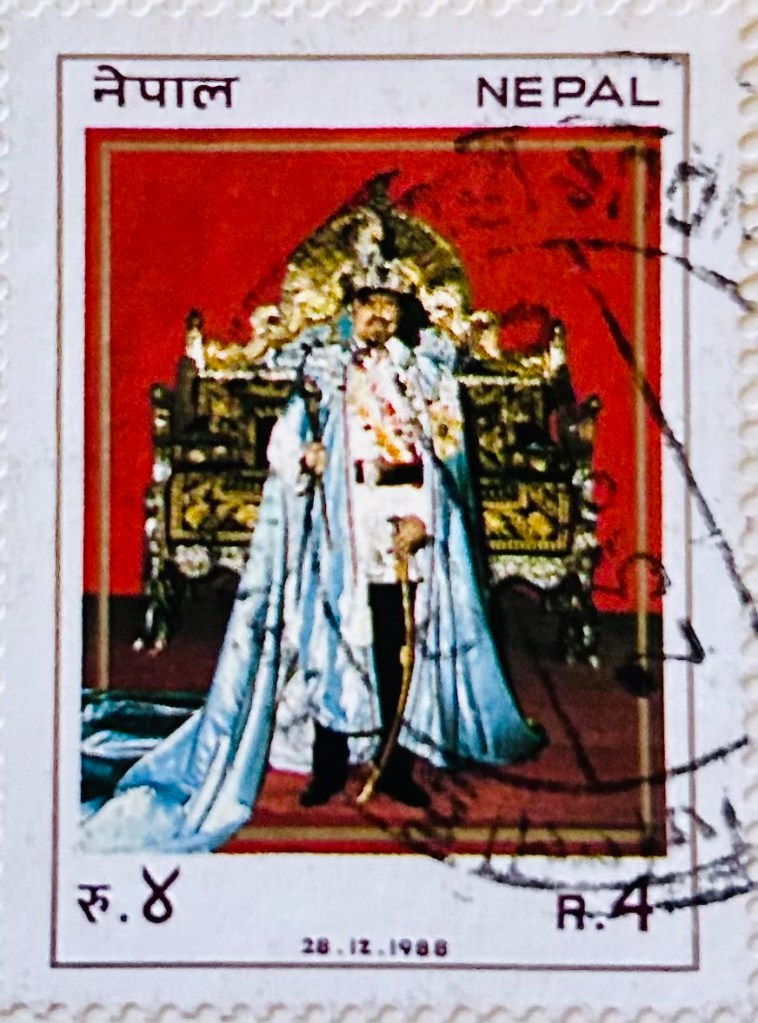
Nepal – 1988 43rd Birthday of King Birendra
Germany – 2002 225th Birth Anniversary of Heinrich von Kleist. German poet, dramatist, novelist, short story writer and journalist.
-Ireland – 2009 Brian Friel, dramatist, short story writer, and founder of the Field Day Theatre Company. He had been considered one of the greatest living English-language dramatists. He has been likened to an “Irish Chekhov” and described as “the universally accented voice of Ireland”. His plays have been compared favourably to those of contemporaries such as Samuel Beckett, Arthur Miller, Harold Pinter, and Tennessee Williams.
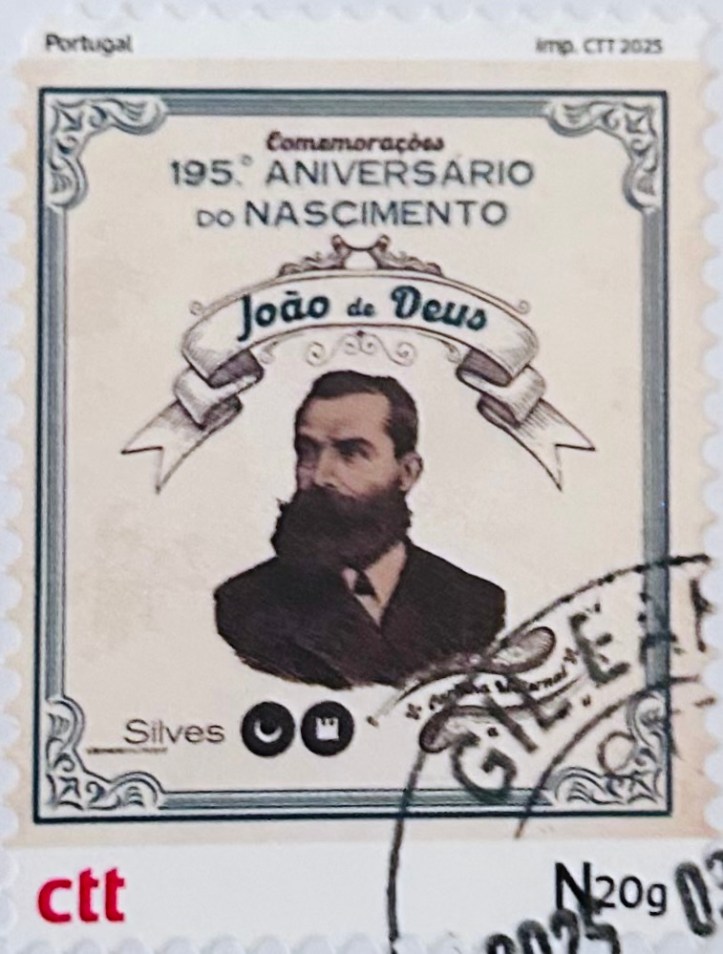
-Portugal – 2025 195th Anniversary of Joao de Deus’ birth.
João de Deus (born March 8, 1830, São Bartolomeu de Messines, Algarve, Portugal—died January 11, 1896, Lisbon) was a lyric poet who fashioned a simple, direct, and expressive language that revitalized Portuguese Romantic poetry. He was a major influence on Portuguese literature of the early 20th century.
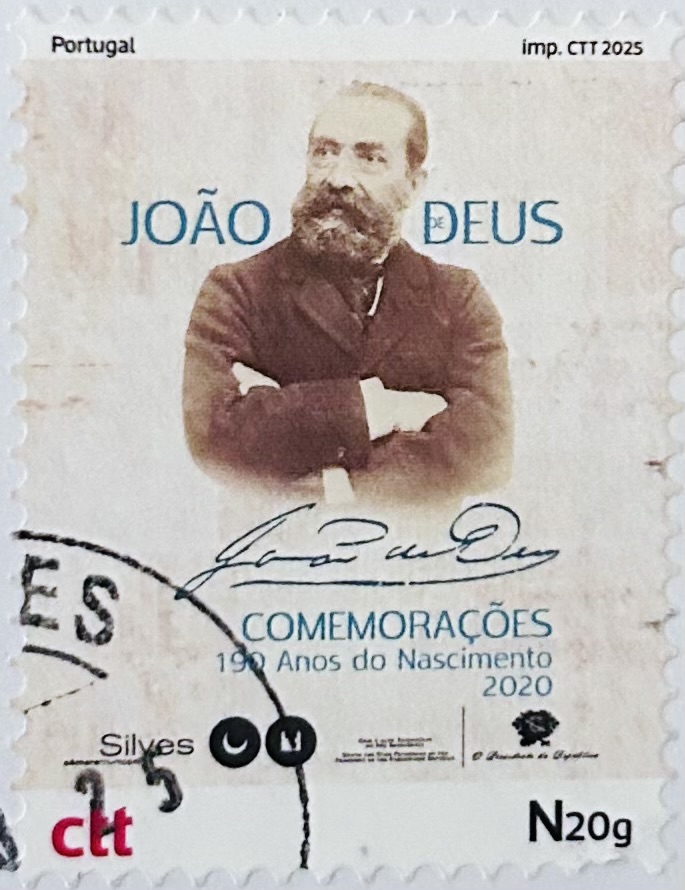
Portugal – 2020 190th Anniversary of Joao de Deus’ birth. João de Deus (born March 8, 1830, São Bartolomeu de Messines, Algarve, Portugal—died January 11, 1896, Lisbon) was a lyric poet who fashioned a simple, direct, and expressive language that revitalized Portuguese Romantic poetry. He was a major influence on Portuguese literature of the early 20th century.
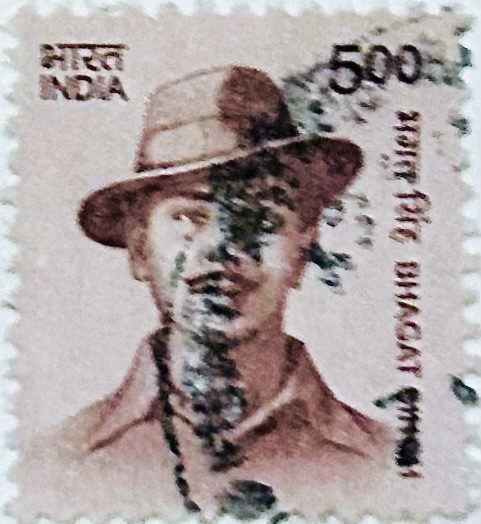
India – 2015 Bhagat Singh was a prominent Indian revolutionary and freedom fighter who played a significant role in the Indian independence movement. He was born in Punjab, India (now in Pakistan) in 1907 and was executed in 1931 at the age of 23. Bhagat Singh was a vocal critic of British rule and was involved in several acts of defiance, including a bombing at the Central Legislative Assembly in Delhi. He was executed for his revolutionary activities and is now revered as a martyr and folk hero in India. 


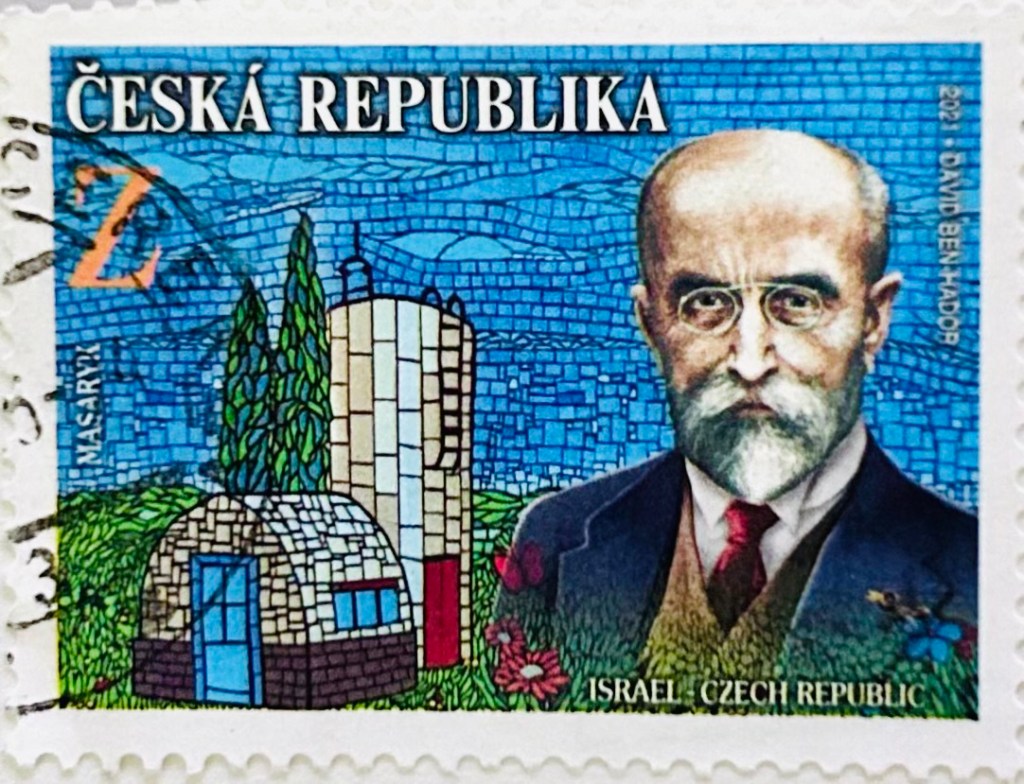
Czech Republic – 2021 Israel-Czech Joint Issue – Tomas Garrigue Masaryk. Designed by the Israeli art designer David Ben-Hador, the mosaic depicts an artistic representation of the Kfar Masaryk kibbutz, named in honor of Tomáš Garrigue. This stamp is published on the occasion of the thirtieth anniversary of the renewal of Czech-Israeli diplomatic relations. Tomás Garrigue Masaryk was the first head of state to visit Mandatory Palestine in 1927. Soon after its establishment in 1918, Czechoslovakia was among the few countries to recognise Jewish nationality. This was a result of the personal involvement of Czechoslovak President Tomás Garrigue Masaryk and the attitude of Czech intellectuals who empathised with the Jewish struggle for independence after the successful fight for their own national recognition. After World War II, Czechoslovakia very effectively supported the establishment of the State of Israel. Minister of Foreign Affairs Jan Masaryk used a great deal of diplomacy towards achieving this aim at the United Nations. Kfar Masaryk is a kibbutz formed by Jewish immigrants from Czechoslovakia and Lithuania as a fortified Jewish settlement in 1938. In 1940, the kibbutz was moved to its current place and renamed Kfar Masaryk in memory of the first Czechoslovak President, Tomás Garrigue Masaryk. The stamp is identified with the letter “Z,” corresponding to the current price of the international priority service
International Ordinary Mail up to 50 g to non-European
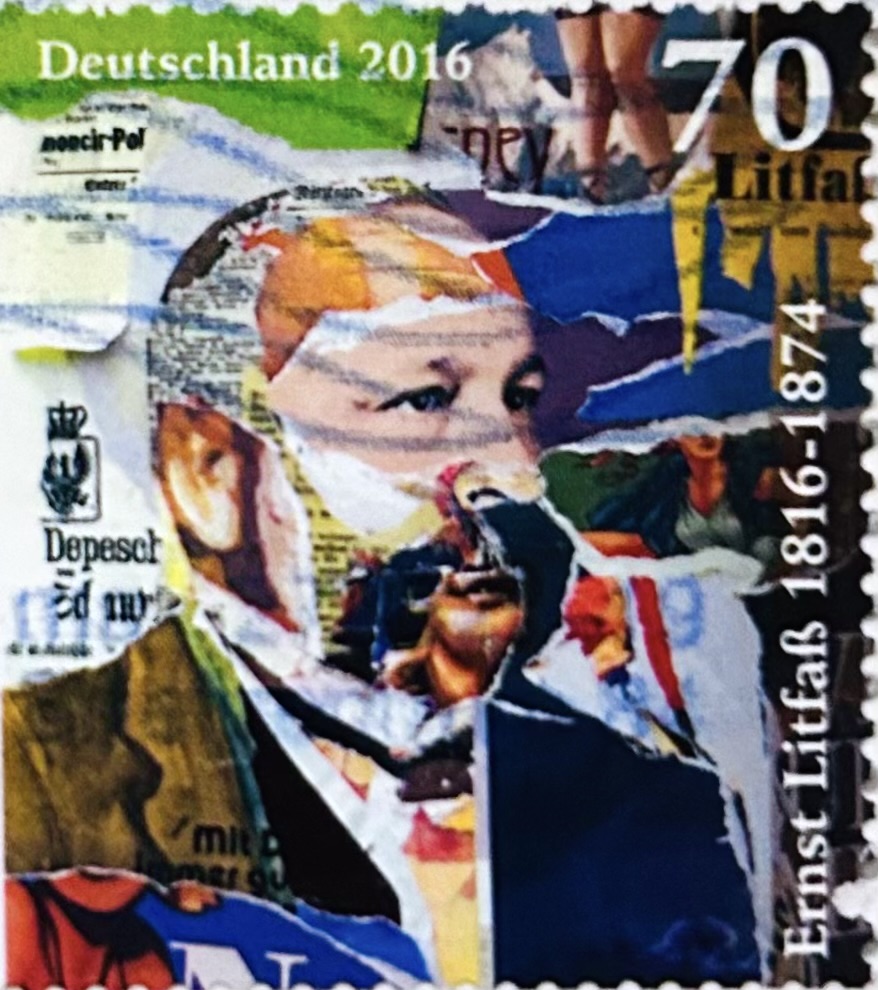
Germany – 2016 Ernst Theodor Amandus Litfaß (1816-1874), the inventor of the advertising column that was named after him. Litfass’s business idea was to do something about the disorderly postering in Berlin. side. In December 1854, Litfaß negotiated with Police Chief Karl von Hinckeldey the right to erect 150 “advertising columns” in the city. On April 15 of the following year, the first cylindrical example was erected at the
“Ziegenbockswache” in Berlin-Mitte.
On July 1, 1855, Litfaß presented the advertising media to the public. Companies could finally secure advertising space on a binding basis for a set period of time. Public authorities used the columns for announcements. Litfaß columns were also used to advertise plays, variety shows, revues, and exhibitions.

Leave a comment